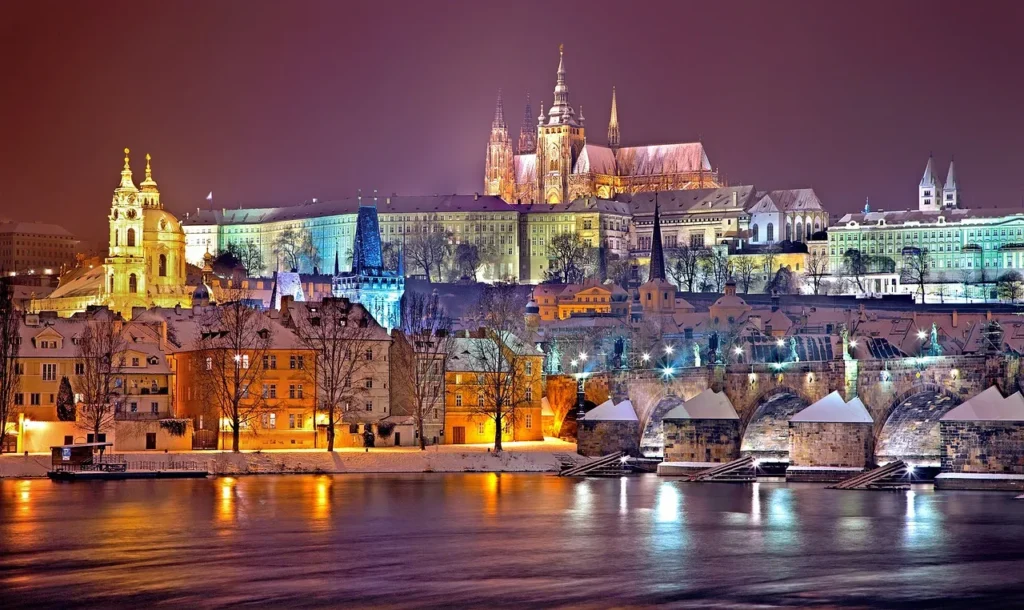
Europe’s cities are living museums—blending ancient legacies with thriving modern life. Behind every cobblestone street and soaring skyscraper lies a story that traces back centuries. This article explores how European urban centers evolved from Roman times to today’s cosmopolitan hubs, shaping—and being shaped by—history, culture, and innovation.
1. Foundations of Greatness: The Roman Blueprint
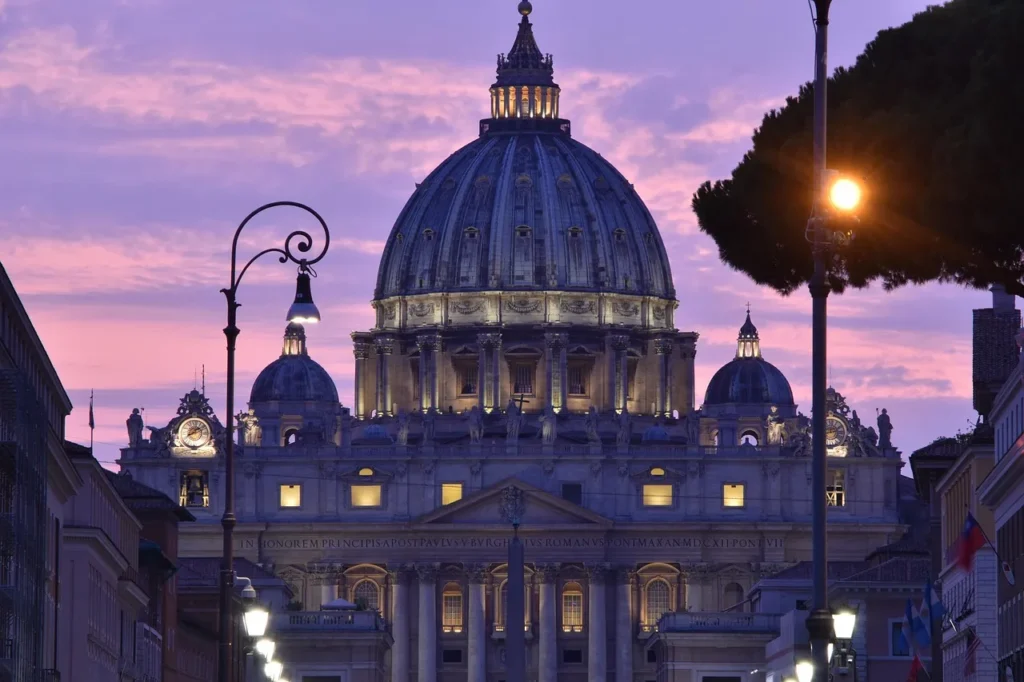
The Roman Empire’s urban planning revolutionized Europe. From the 1st century BCE, Roman engineers designed cities with grid layouts, public squares (fora), aqueducts, amphitheaters, and bustling market centers. Major cities like Rome, Londinium (London), Lutetia (Paris), and Colonia Agrippina (Cologne) owe much of their ancient urban skeletons to these innovative blueprints.
Key hallmarks of Roman urbanism:
- Straight roads (Viae): Allowed swift movement for trade, transport, and military.
- Forum: The city’s heart—administrative, commercial, and social hub.
- Public baths, theaters, and coliseums: Social and entertainment venues still awe-inspiring today.
- Walls and defensive structures: Many medieval and even modern boundaries echo Roman fortifications.
Did you know? Parts of Rome’s Appian Way are still walkable, and you can trace Roman road alignments in London’s modern street map!
2. Medieval Metamorphosis: Cities of Power, Faith, and Commerce
With Rome’s decline, medieval Europe’s cities morphed into strongholds defined by feudal power, religious authority, and trade guilds.
Key features of medieval urbanism:
- Walled cities and castles: Defense was paramount, leading to labyrinthine layouts and mighty gates.
- Cathedrals and Town Halls: Gothic spires and elaborate façades declared civic and spiritual wealth (e.g., Notre-Dame in Paris, Cologne Cathedral).
- Trade routes and guilds: Hanseatic cities (like Lübeck) thrived on commerce, setting templates for market squares and merchant quarters.
- Organic street patterns: Cities grew unpredictably, resulting in tangled alleyways (e.g., Prague, Venice, Toledo).
Medieval cities became magnets for culture, innovation, and power struggles, setting the civic tone for centuries.
3. Renaissance and Enlightenment: Urban Rebirth and Rationality
The Renaissance sparked profound urban renewal. Ideas from classical antiquity blended with artistic and scientific flourishes. Italian cities such as Florence and Venice, and later Paris and London, led the way.
Transformative elements:
- Symmetrical piazzas and avenues: Ordered layouts, exemplified by Florence’s Piazza della Signoria and Rome’s Piazza Navona.
- Public spaces as art: City squares and gardens became showcases for sculpture and architectural mastery.
- Civic pride and identity: City halls, bridges, and libraries reflected emerging civic consciousness.
The Enlightenment introduced rational street plans (e.g., the Haussmannization of Paris’ boulevards) and public works—a model later emulated across the continent.
4. Industrial Age: Urban Expansion and Social Change
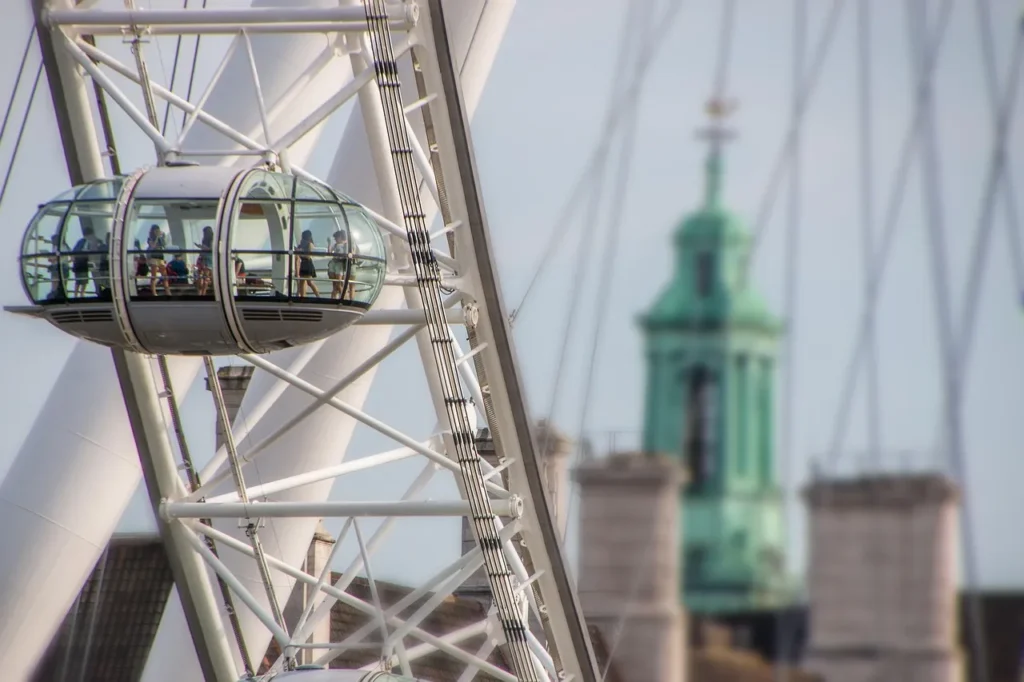
The 19th century’s Industrial Revolution turbocharged city growth—and upheaval.
Distinctive trends:
- Mass migration: People flocked to emerging industrial centers (Manchester, Berlin, Turin), fueling population booms.
- Infrastructure modernization: Railways, gaslights, sewage systems, and public parks transformed life.
- Urban sprawl: Factories, warehouses, and worker housing reshaped city outskirts.
- Social challenges: Overcrowding, pollution, and class divides spurred health reforms and urban activism.
Many iconic city skylines—London’s Victorian edifices, Paris’ wide boulevards, Berlin’s tenements—originated during this transformative period.
5. Twentieth Century & Beyond: War, Reconstruction, and Skyscrapers
Two world wars scarred European cities, prompting waves of destruction, rebuilding, and modernization.
Key developments:
- Reconstruction: Cities like Warsaw and Dresden meticulously rebuilt lost heritage; others embraced bold new architecture (e.g., Rotterdam, Berlin).
- Modernist vision: Glass towers, high-speed rail, and green spaces signaled progress (Frankfurt, London, Paris’ La Défense).
- Political influence: From Soviet urbanism (East Berlin) to democratic civic design (Brussels), politics shaped cityscapes.
- Revival of the old: Postmodern trends revived medieval quarters, plazas, and mixed-use neighborhoods—blending nostalgia and innovation.
Today, cities like London, Paris, Barcelona, Prague, and Rome showcase skylines where ancient monuments stand beside futuristic towers—testament to Europe’s layered story.
6. The Future: Smart Cities and Cultural Preservation
The next chapter for Europe’s cities is unfolding now.
Emerging trends:
- Smart technology: Integrating sensors, green energy, and mobility solutions for sustainable growth.
- Heritage preservation: Balancing tourism with the protection of historical treasures and authentic local life.
- Urban inclusivity: Designing for diverse, multicultural populations while fostering community and well-being.
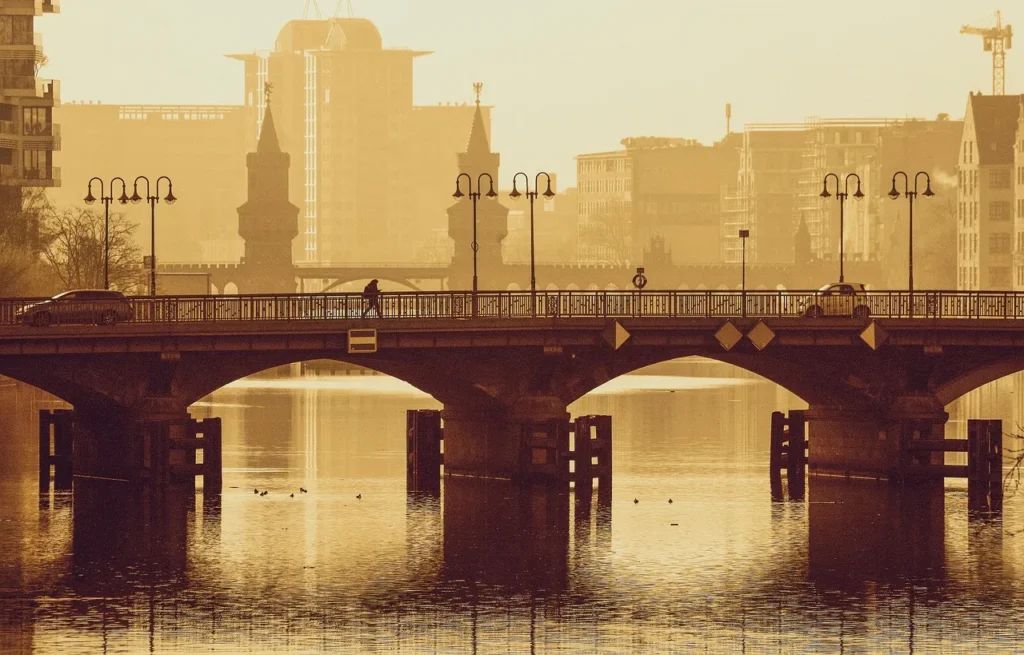
Cities Through the Ages: A European Urban Journey
Europe’s transformation is vividly reflected in its most iconic cities, each bearing the marks of successive historical eras. Here’s a list of major urban centers whose stories embody the evolution from ancient roots to dazzling skylines:
- Rome, Italy: The eternal city, with its Roman roads, imperial architecture, and Renaissance splendor.
- London, UK: From Londinium’s Roman walls to Victorian landmarks and modern skyscrapers.
- Paris, France: Lutetia’s ancient origins, Haussmann’s boulevards, and the blend of Gothic and contemporary culture.
- Cologne, Germany: Roman foundations, medieval trade, and today’s innovative riverfront.
- Prague, Czech Republic: A labyrinth of medieval streets, baroque elegance, and vibrant modern life.
- Barcelona, Spain: Roman Barcino, Gothic quarters, and Gaudí’s architectural marvels.
- Venice, Italy: Roman, Byzantine, and Renaissance influences woven into canal corridors and grand plazas.
- Berlin, Germany: From Prussian power to war-torn resilience, Soviet imprints, and dynamic urban renewal.
- Florence, Italy: Birthplace of the Renaissance, graced by medieval lanes and world-class art.
Each city invites visitors to step through time—uncovering layers of history, architectural wonders, and the vibrant culture that define Europe’s urban spirit.
Conclusion: Why Europe’s Cities Captivate
Each European urban center is a palimpsest—layers of history, innovation, catastrophe, and renewal visible in every street and skyline. Exploring them is to walk through time, discovering how ancient roads underpin modern marvels and how centuries of evolution continue to shape tomorrow’s skylines.
Ready to discover more? Dive into our in-depth city guides and travel stories to experience the magic of Europe’s evolving urban landscapes!